Project Description
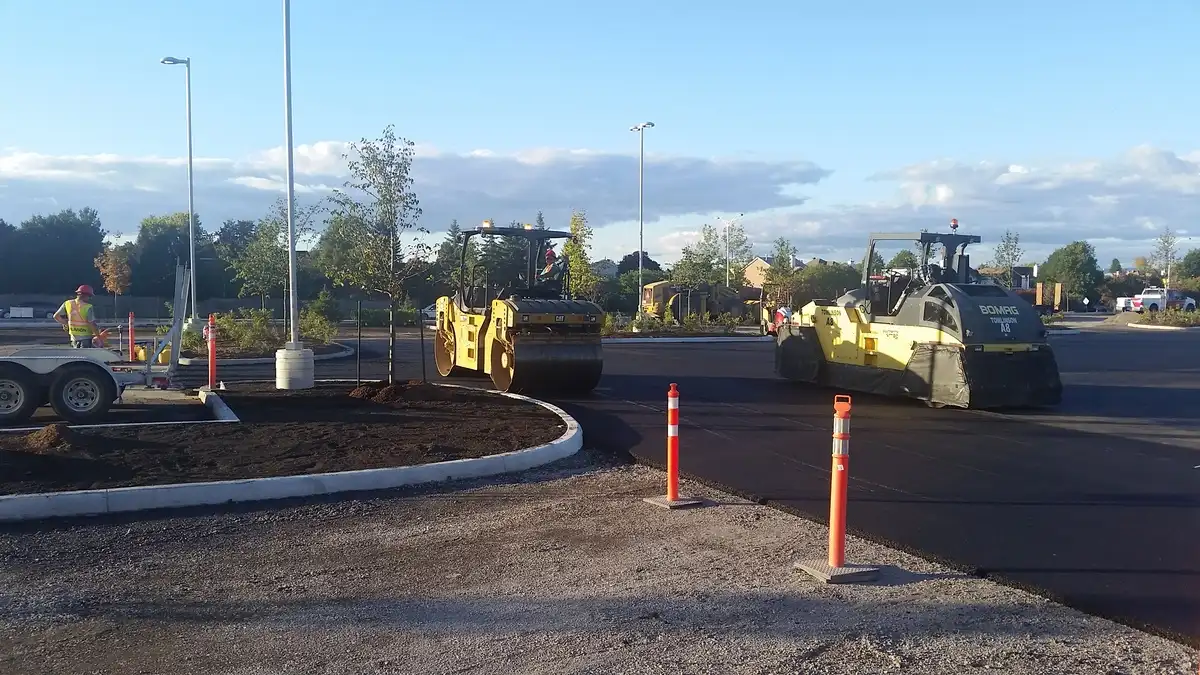
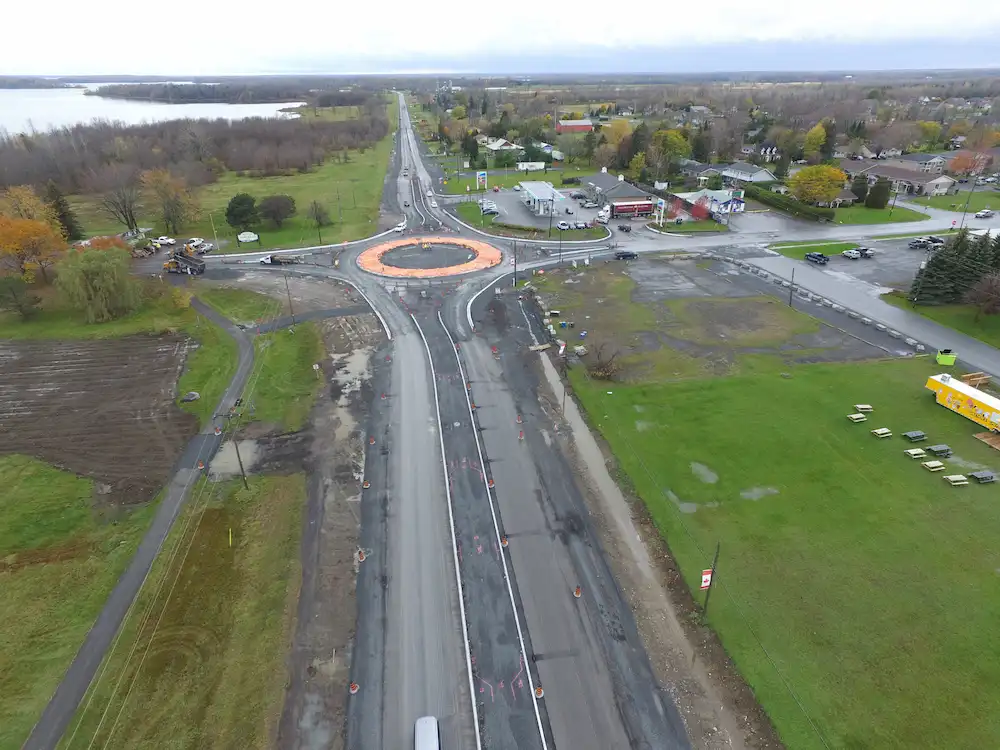
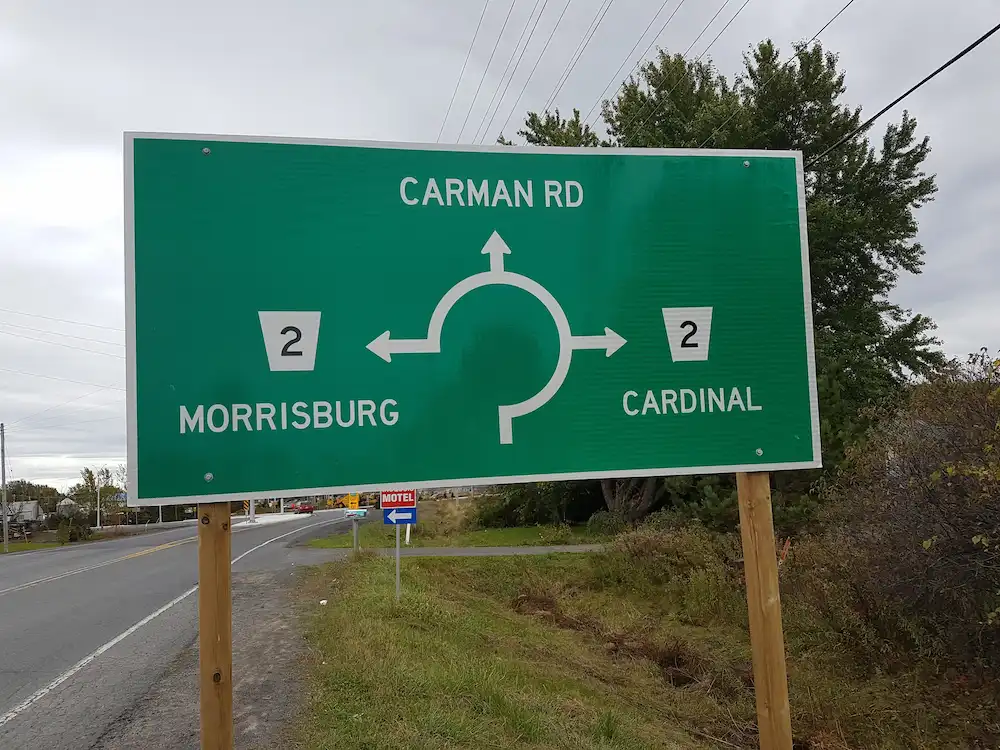
Robinson Consultants Inc. was retained by the United Counties of Stormont, Dundas and Glengarry to complete the preliminary and detail design for the reconstruction of County Road 2, through the Village of Long Sault, including two roundabouts, and the design a proposed roundabout at the intersection of Country Road 2 and County Road 1, in the Village of Iroquois as joint project. The key purpose of the project was to address the high-speed characteristics of the project sites along County Road 2, a former MTO highway with design characteristics (e.g., flat/straight alignment, wide open corridor) that resulted in significant concerns with speed and safety.
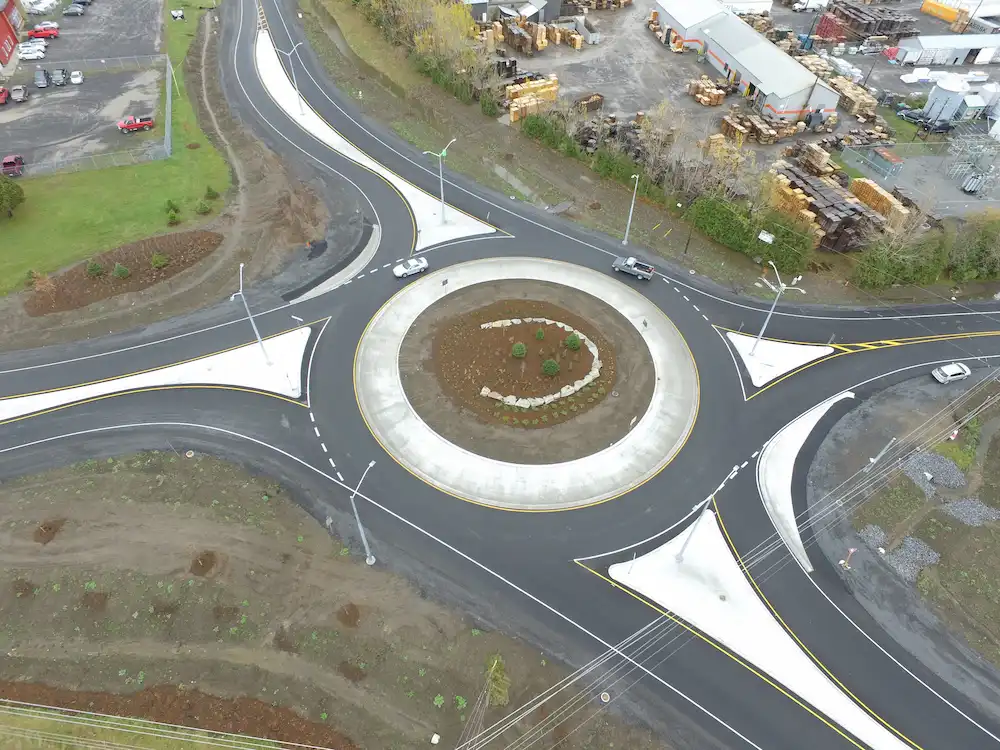
For the intersection of County Road 2 and Country Road 1 in Iroquois, the specific challenges associated with this intersection included the approaching curvature of the County Road 2, which resulted in limited approaching visibility and the skew of the existing intersection which hindered the accommodation of heavy vehicles right-turn movements. To ensure adequate advanced indication of the facility to approaching motorists, a minor realignment of the approaching roads, coupled with the extension of the splitter islands were utilized. The accommodation of heavy vehicles required expansion of the roundabout’s inscribed circle diameter (ICD); however, in order to mitigate increased operating speeds of the facility, Robinson Consultants Inc. proposed external truck aprons to balance the need for large increases to the ICD with the anticipated passenger vehicle operating speeds.
The project was the first roundabout for the Village, as well as the United Counties, therefore public outreach was included in the project, which included a public information session. To demonstrate the roundabout operations, a short video simulation of the future intersection was prepared by Robinson Consultants Inc. and displayed at the information session with County Staff and design team representation to address any questions or concerns that arose.
The key purpose of the reconstruction of County Road 2, through the Village of Long Sault was to address the high-speed characteristics of the roadway and provide streetscaping enhancements along the corridor reflect the surrounding community. The high-speed characteristics of County Road 2 formed a barrier between the community and the Waterfront Park and Trail. The corridor improvements included a reduction in the existing four-lane undivided cross-section to a two-lane divided cross section; complete with a planted centre median and pedestrian and cycling considerations and the design and construction of two single lane roundabouts that promote traffic calming and serve as a gateway to the community.
As the existing County Road 2 corridor was a former MTO highway through both Iroquois and Long Sault, the existing granular road base was found to be more robust than the current loading requirements, as such, Robinson Consultants Inc. was able to refine the roadway sections and profile to utilize the existing roadway structure to the greatest extent possible. The utilization of the existing road structure resulted in a considerable reduction in the requirement for imported material, resulting in considerable capital savings to the Counties.
Additional Info
- Client United Counties of Stormont, Dundas, and Glengarry
- Location Village of Long Sault, Ontario
Village of Iroquois, Ontario - Value $3,400,000
- Key
- Two rural roundabouts
- Heavy vehicle accommodation measures
- Pedestrian and cycling considerations
- Traffic calming measures to address high speed characteristics of project sites
- Awards
Award of Excellence, Canadian Consulting Engineer, 2018
- ImageOne
- ImageTwo
- ImageThree
Project Description
Robinson Consultants Inc. was retained by the City of Ottawa to complete the preliminary and detail design of the extension of Brian Coburn Boulevard from Mer Bleue Road to Navan Road, and the widening of Mer Bleue Road, from the previous widening limits at the Hydro One corridor (south of Innes Road) to north of Renaud Road. The Mer Bleue Road portion included design and construction of a 1km section of the existing Mer Bleue Road corridor from a two-lane rural cross-section to a four-lane urban arterial cross-section, complete with pedestrian facilities and dedicated cycle lanes. The Brian Coburn Boulevard portion included the design of the ultimate four-lane cross-section and the design and construction of the interim two-lane cross-section for the new 3.2km Brian Coburn Boulevard corridor, including on-road and off-road cycling facilities. Both roadways included stormwater management (SWM) analysis and drainage design, and construction of roundabouts at all intersections.
The design for the project was extended to include development of a Species at Risk compensation plan and the development of a temporary Park and Ride facility concept adjacent to the project site, adjustments to the Mer Bleue Road construction limits, and the requirement for the design of the future outlet sewer. Other additional scope included temporary utility relocations, and post tender design modifications to address updated AODA requirements, streetlighting changes identified by the City, asbestos removal and dewatering required for one property demolition identified after the project had been tendered and temporary intersection repairs required at the intersection of Mer Bleue Road and Brian Coburn Boulevard.
Additional Info
- Client City of Ottawa
- Location Ottawa, Ontario
- Value $14,500,000
- Key
- Reconstruction and widening of a 2-lane rural road with a 4-lane urban divided cross section including sidewalks and cycle facilities
- Construction of new arterial road corridor.
- Detailed analysis of stormwater management and storm sewer design.
- Significant coordination with adjacent land developers
- Detailed traffic and transportation analysis including modeling
- Large culvert and retaining wall design
- Species at risk inventory and compensation
- Three roundabouts
- Local watermain
- ImageOne
- ImageTwo
- ImageThree
Project Description
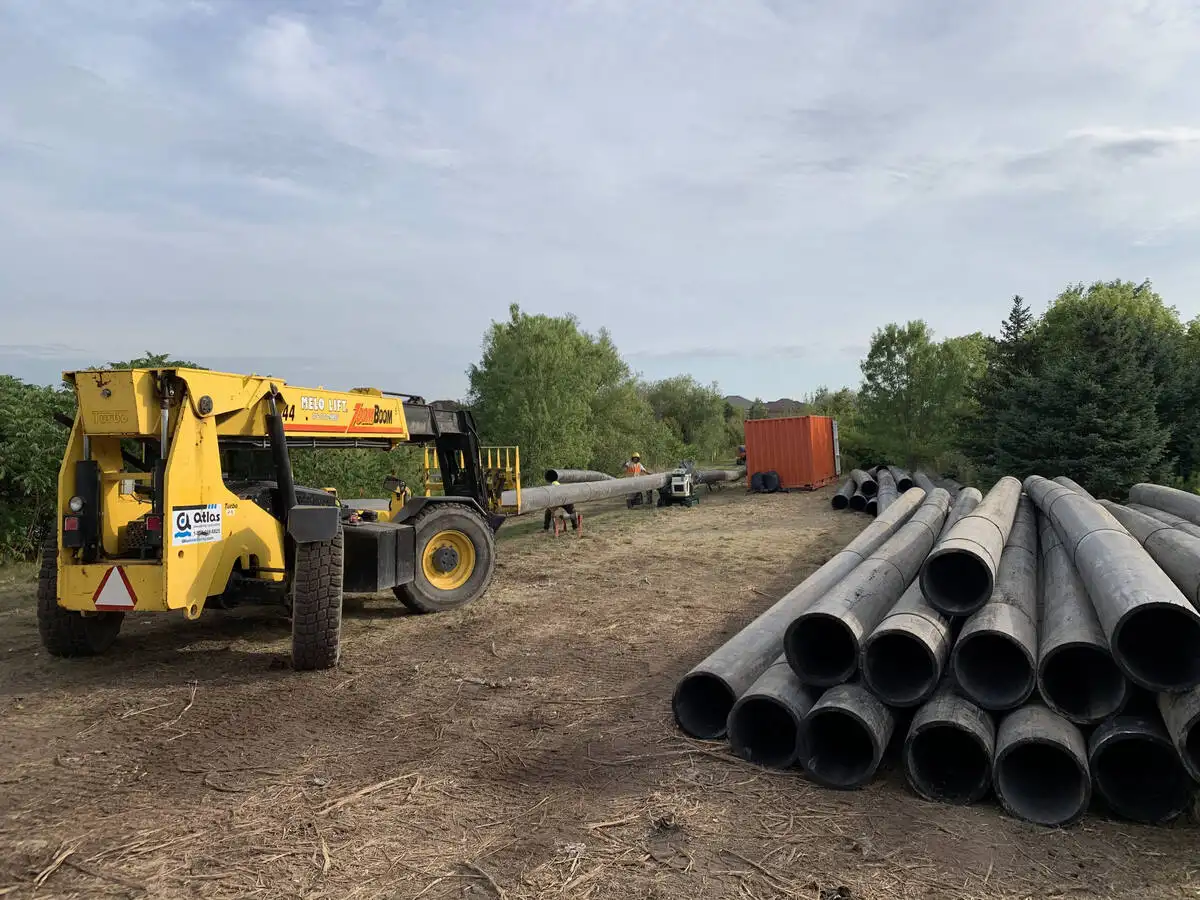
Robinson Consultants Inc. was retained by the Region of Peel to complete the detailed condition assessment, detailed design (including supporting preliminary and technical reviews, memos and studies), and contract administration and site inspection for the rehabilitation of the Fletcher’s Creek Sanitary Trunk Sewer. Project scope included 41 maintenance hole to maintenance hole segments, approximately 4km of 750mm, 975mm, and 1200mm in diameter at an average depth of 8-10m. The project also included the rehabilitation of maintenance holes and appurtenances for Fletcher’s Meadows within the City of Brampton.
The 2013 and 2017 detailed condition assessment of the Fletcher’s Creek Sanitary Trunk Sewer, conducted by the Region of Peel, revealed that several locations of the sewer were in poor condition, with longitudinal fractures and heavy infiltration, as well as several maintenance holes requiring rehabilitation. The design phase included the recommendation for the identified sewer sections with structural and service deficiencies for rehabilitation with a combination of CIPP lining and mechanical seals. Recommendations for maintenance holes included elimination of infiltration via chemical grouting, replacement of ladders and platforms to comply with Region of Peel standards and repair interior appurtenances as required.
Robinson Consultants Inc. also assisted with the pre-construction and construction phases on the project involving working with the Region of Peel’s procurement team on the preparation of a Request for Proposal (RFP) including evaluation criteria, technical specifications, and engineering drawings to select a successful contractor for construction. contract administration, site inspection, and quality control services were completed during construction.
Engineering Innovation
Due to the overall size and complexities of the project, the Region of Peel required a strong procurement document that allowed for a fair bid process, which clearly articulated Region’s requirements. It was crucial that the document also ensured that the selected Contractor was qualified to complete the project and had proposed a sound, detailed approach and methodology. The document had a strong focus on the overall project deliverables, evaluation criteria, and rigorous technical specifications for QA/QC throughout the project.
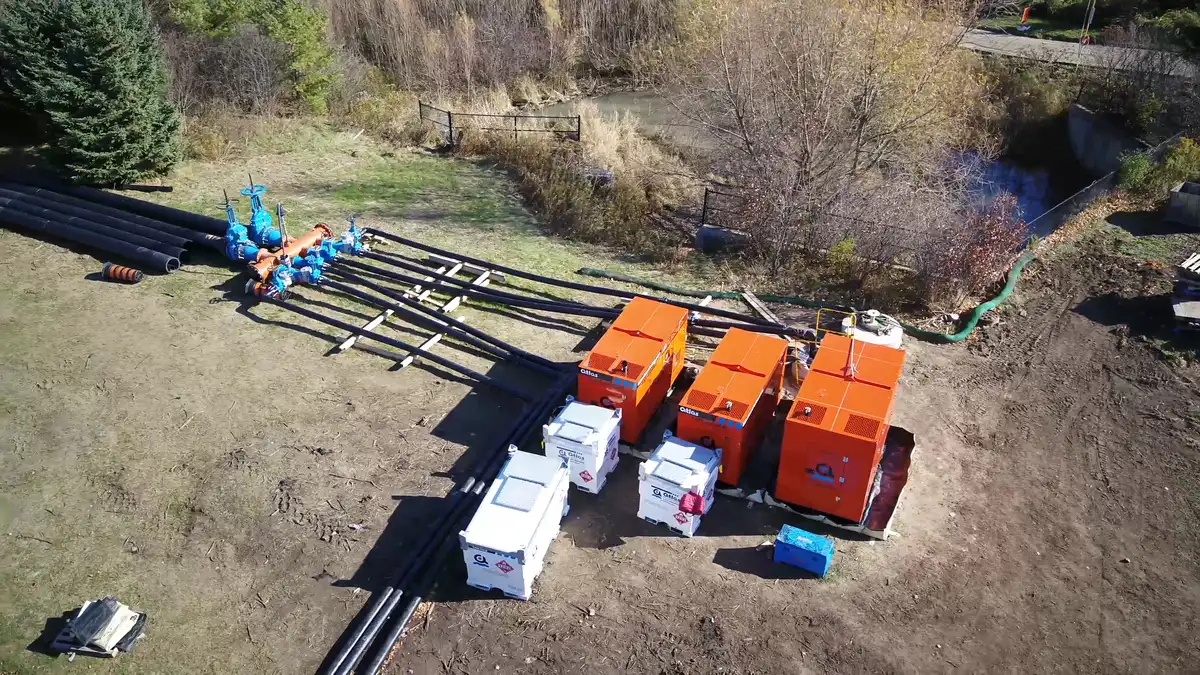
Robinson Consultants Inc. investigated the implications of ground water on the various CIPP curing methods along with limitations and included the requirement for hot water cure only for applicable segments with high groundwater table and longer installation shots. The specification also required the utilization of a dual temperature monitoring system along the invert, in addition to standard temperature monitoring at the maintenance holes. This provided stronger accountability on the contractor to install compliant CIPP liners through recordable evidence of a fully cured CIPP liner.
Four sewer segments were attempted to be CIPP lined in 2005 but initially failed likely due to excessive groundwater pressure experienced during installation and curing. This required installation of a second liner over the existing liners shortly after the first liner was installed. In order to eliminate the greater risk of a Contractor’s inability to stop groundwater infiltration in advance of liner installation, the requirement to eliminate gushing infiltration by installing mechanical seals was included in the RFP. This greatly reduced the risk of chemical grouting not providing sufficient resistance to hydrostatic pressure exerted during liner installation and curing.
Public Consultation and Stakeholder Engagement
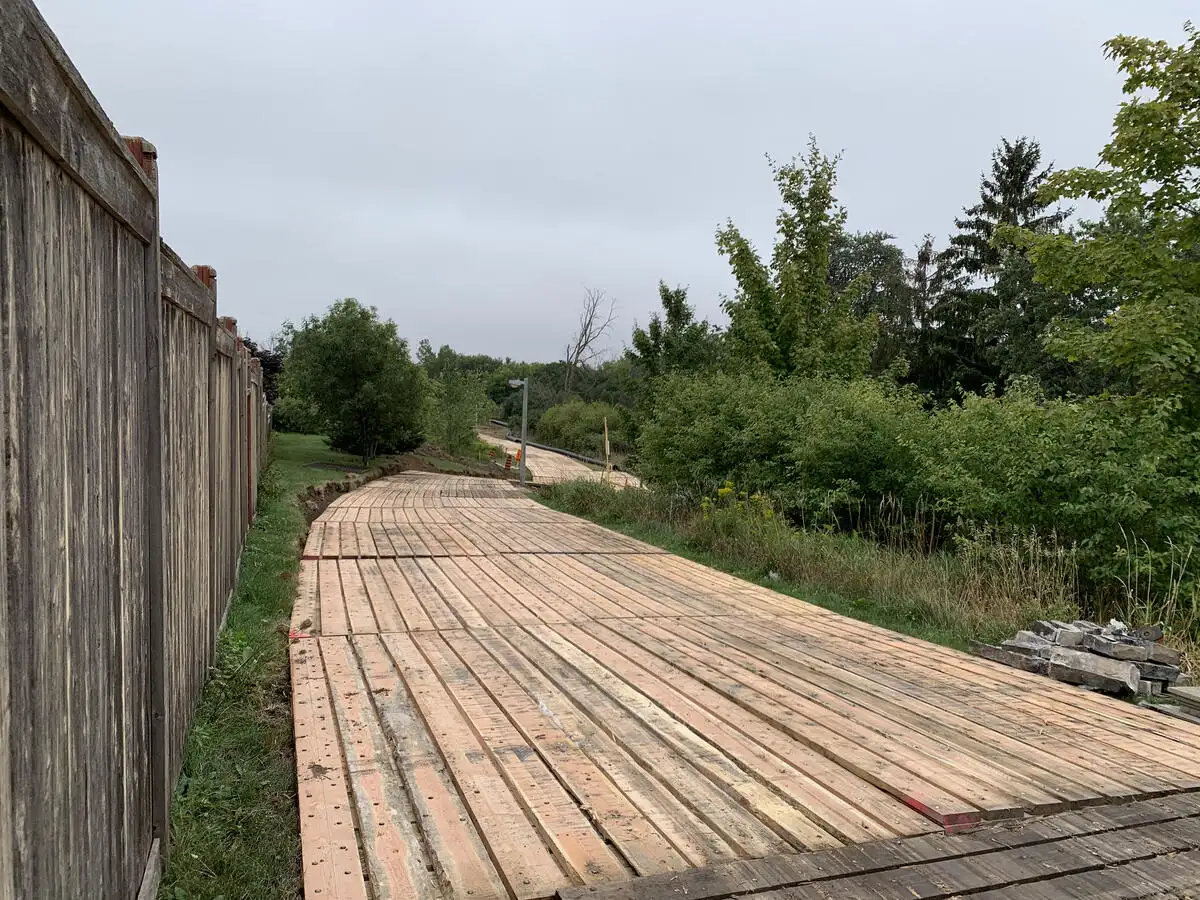
A majority of the sewer segments are located within the Fletcher’s Creek Floodplains with access maintenance holes located in proximity to the Creek. Fletcher’s Creek is home to Redside Dace which is an endangered species with its habitat protected under the Endangered Species Act. Excavation activity associated with construction of a temporary access road within the Floodplains of Fletcher’s Creek would have required extensive permitting from the Ministry of the Environment, Conservation, and Parks (MECP). In order to minimize disturbance to the habitat, Robinson Consultants Inc. identified the ability to utilize temporary wood matting over existing trails and grassed areas and specified this as part of RFP requirements. This approach was review by the Credit Valley Conservation (CVC) and MECP and resulted in eliminating the need for additional permitting allowing the execution of the critical phase of the project on time with minimal disturbance to the surrounding thus protecting the environment.
Further stakeholder co-ordination was required with the City of Brampton, including City Parks and City Traffic groups. This co-ordination was a key to the success of the project to ensure appropriate notifications and scheduling for the closure of the public path through the park and both road closures and lane restriction during construction.
In the News
Challenging Trunk Sewer Condition Assessment and Rehabilitation Initiatives in the Region of Peel
Additional Info
- Client Region of Peel
- Location City of Brampton
- Value $12,800,000
- Key
- Rehabilitation of 4km of 750mm, 975mm, and 1200mm linear pipe
- Rehabilitation of 41 maintenance hole to maintenance hole segments
- High groundwater table
- Close proximity to Fletcher’s Creek and species at risk
- Use of temporary wood matting over existing trails and grassed areas to minimize disturbance
- Awards
Honourable Mention, 2021 Trenchless Technology Project of the Year
- ImageOne
- ImageTwo
- ImageThree
Project Description
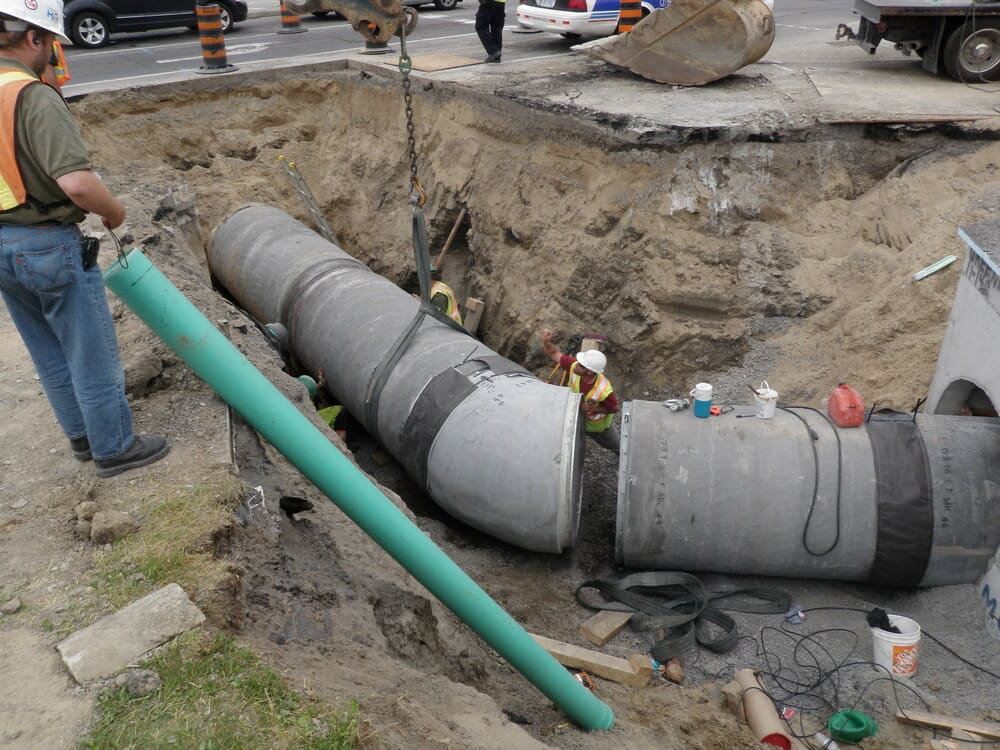
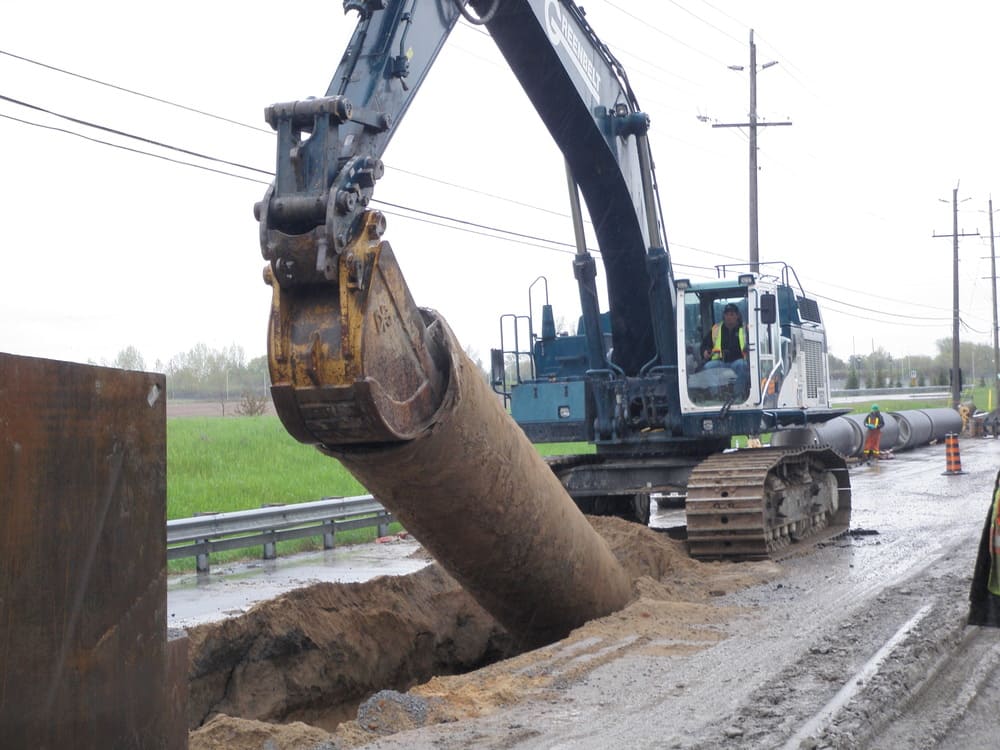
This project was initiated in response to a large watermain break in 2011 on the primary water supply to the south end of Ottawa. Robinson Consultants Inc. was retained by the City of Ottawa to complete a condition assessment and risk analysis to determine the optimal renewal strategy. The project included the design and construction of 1km of 1220mm watermain, 400m of 305mm watermain by directional drilling, a mobile pump station and temporary bypass pipe, three individual spot repairs, pipe material selection, corrosion protection, wire break monitoring system, tender package, construction staging and watermain commissioning plan, full traffic bypass plans for short term closures of Hunt Club Road, public communications and construction administration and inspection.
The Woodroffe Avenue watermain is a 1220mm transmission watermain that is the primarily supply for Barrhaven, Riverside South and the Village of Manotick, serving a population of approximately 100,000 people. Following the break and subsequent electromagnetic inspection, it was determined that 1km of the watermain had to be replaced. While this watermain was isolated for inspection and replacement, the area was being serviced by a 406mm watermain and booster pump. Since the 406mm watermain could not provide adequate supply for peak-summer demands, an outdoor water ban was implemented by the City. Robinson Consultants Inc. fast-tracked the design and tender package to limit the amount of time that this critical watermain was out of service, as well as the length of the outdoor water ban.
In an effort to add additional supply to the isolated section of 1220mm south of the replacement section, a 305mm watermain was constructed by horizontal directional drilling and open-cut methods. The 305mm watermain was connected to an existing 610mm C301(L) PCCP at the north and to the 1220mm C301(L) at the south. Both of these connections were made using a live taps.
A 1km section of 1220mm C301(L) PCCP watermain was replaced within the project limits. This watermain replacement included new valves and valve chambers, hydrants where required and large services to the Nepean Sportsplex. The watermain design included a full cathodic protection design, including coordination with PURE Technologies for the installation of an acoustic fiber optic cable within the watermain, which is used to record prestress wire breaks in real time. Spot repairs were completed at three other locations, where the initial inspection had identified additional distressed pipes.
Additional Info
- Client City of Ottawa
- Location Ottawa, Ontario
- Value $5,400,000
- Key
- Preliminary and detailed design, tender documents, approvals, contract administration and inspection of a 1220mm diameter watermain
- Watermain material selection plan and corrosion protection design
- Water servicing of local residents from connections in valve chambers on the large diameter watermain
- Composite utility plan and profile to identify existing utilities for relocation and protection
- Temporary water servicing and water bypass plan and commissioning plan
- ImageOne
- ImageTwo
- ImageThree
Project Description
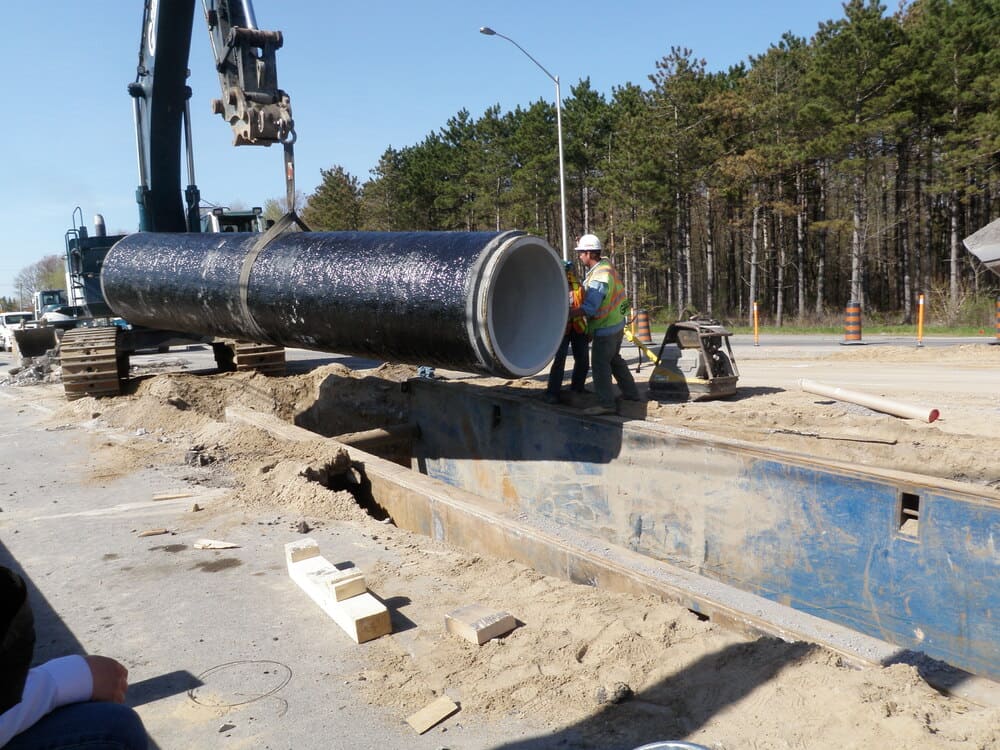
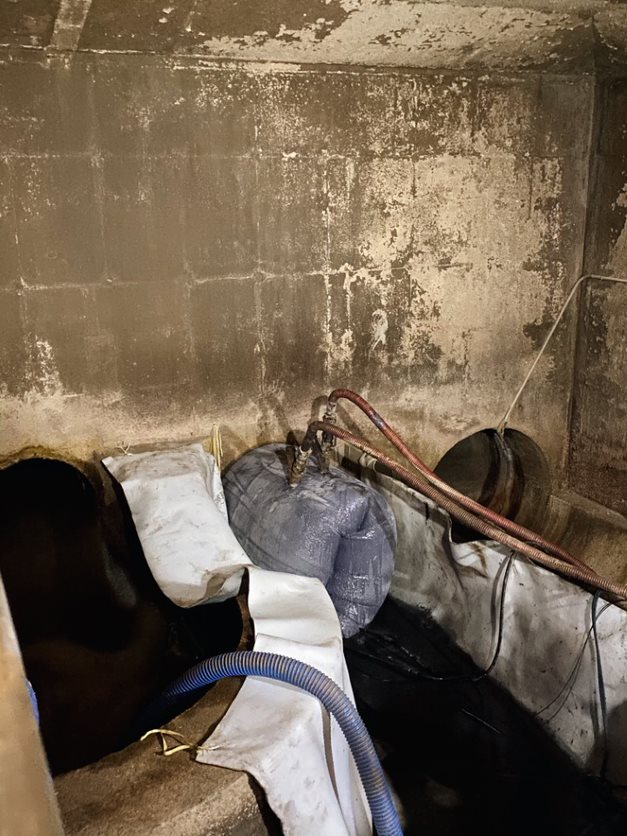
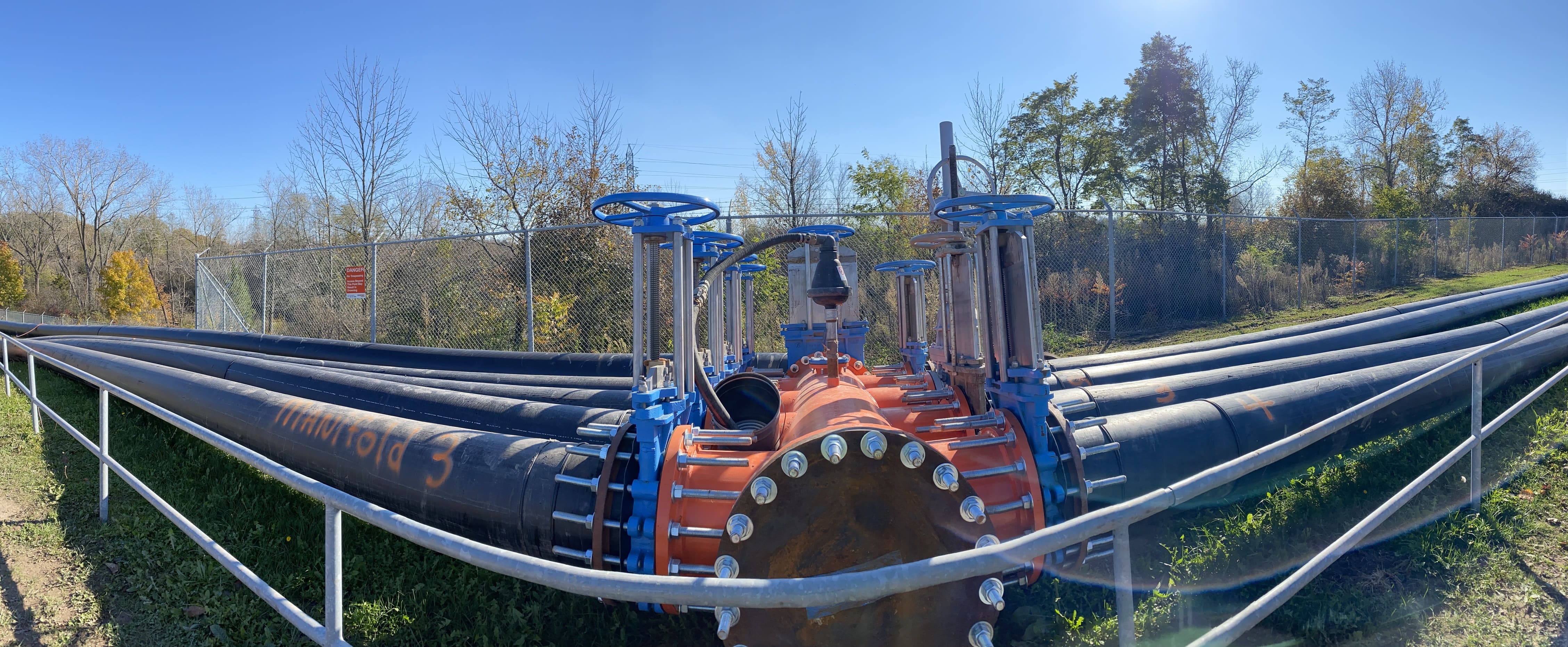
Robinson Consultants Inc. was retained by Niagara Region to complete the rehabilitation planning, preliminary design, and detailed design for the Stamford Interceptor Trunk Sewer Rehabilitation Phase II. Niagara Region identified the need to rehabilitate the Stamford Interceptor Trunk Sewer (SITS) in the City of Niagara Falls based on historical CCTV inspections which showed that the segments are in very poor condition based on severe corrosion and exposed reinforcement as a result of hydrogen sulfide (H2S) in the pipe. The project scope included Phase II of the trunk sewer consisting of 1560m of 1050mm diameter reinforced concrete pipe, composed of 14 segments and 14 maintenance holes. The SITS runs parallel to the Ontario Power Generation (OPG) canal and along the new high traffic pedestrian trail (Millennium Recreational Trail). The objective of the project was to rehabilitate Phase II of the SITS and the associated maintenance holes using trenchless technology. As part of the trunk sewer rehabilitation project, the Region’s intention was to minimize disruption and closure of the Millennium Recreational Trail to reduce inconvenience to the public as well as reduce potential impacts to the existing OPG lands during construction.
Based on an evaluation of the potential trenchless rehabilitation options for the SITS, it was recommended that the Region proceed with the use of Cured-in-Place Pipe (CIPP) to rehabilitate the sewer due to its capability to resist H2S corrosion, provide a fully structural rehabilitation solution, and minimize impacts to flow capacity, and its suitability for 1050mm diameter pipe and commercial availability in the local market. Extensive coordination required during the design phase in order to minimize disruption and closure of the Millennium Recreational Trail to reduce inconvenience to the public as well as reduce potential impacts to the existing OPG lands during construction.
For the procurement process, it was recommended that the Region pursue a Request for Proposal (RFP) process versus a tender due to the complexity of the project, specialty nature of the rehabilitation work and the risks associated with working within the property. The objectives for the RFP are to retain a qualified and experienced rehabilitation contractor with a well-planned approach and methodology to complete the work.
Additional Info
- Client Niagara Region
- Location City of Niagara Falls
- Value Estimated $7,500,000
- Key
- 1560m of 1050mm diameter reinforced concrete pipe
- Severe H2S corrosion
- Work in proximity to high traffic pedestrian trail (Millennium Recreational Trail)
- Work in proximity to OPG lands
- Negotiated RFP process
- Awards
- ImageOne
- ImageTwo
- ImageThree
Project Description
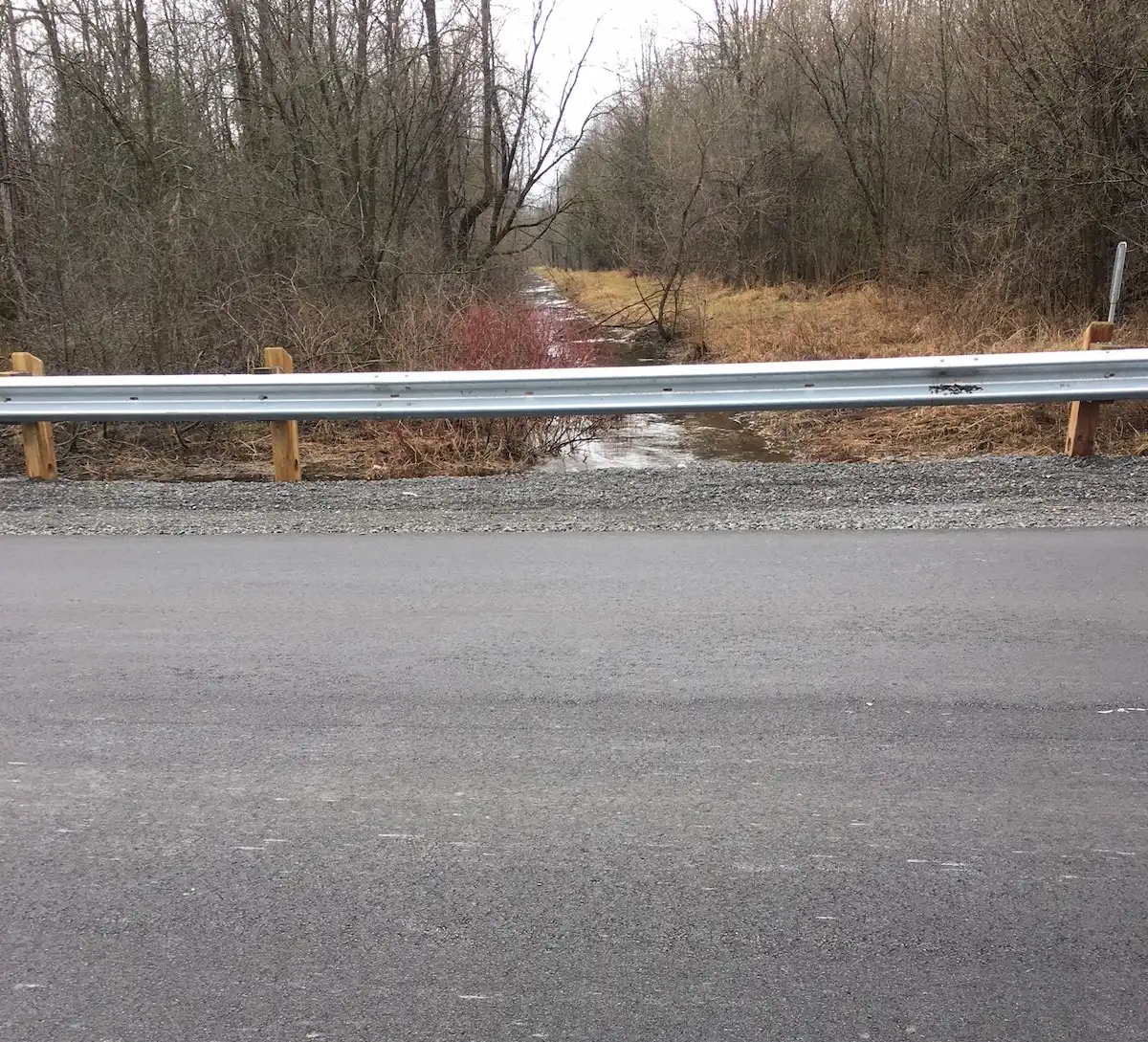
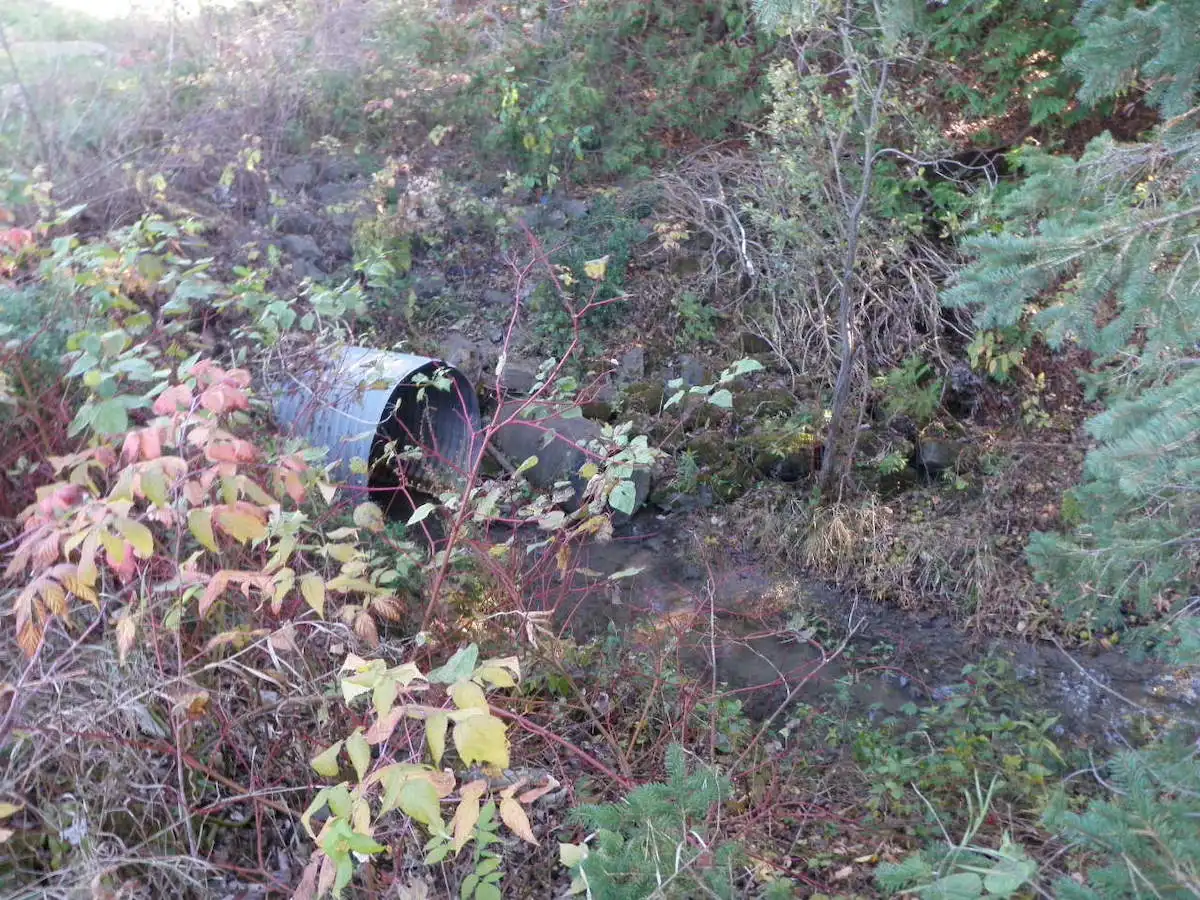
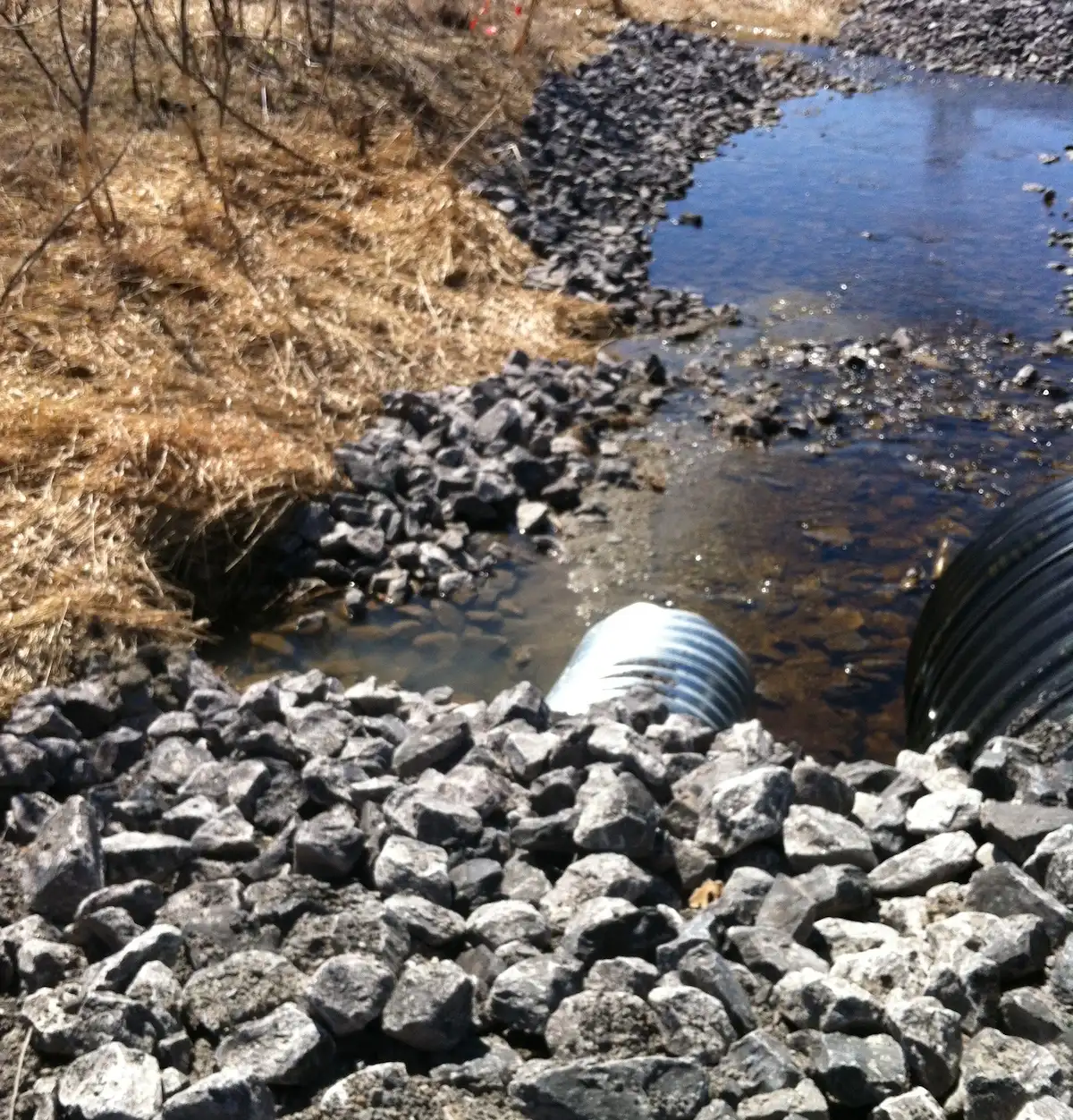
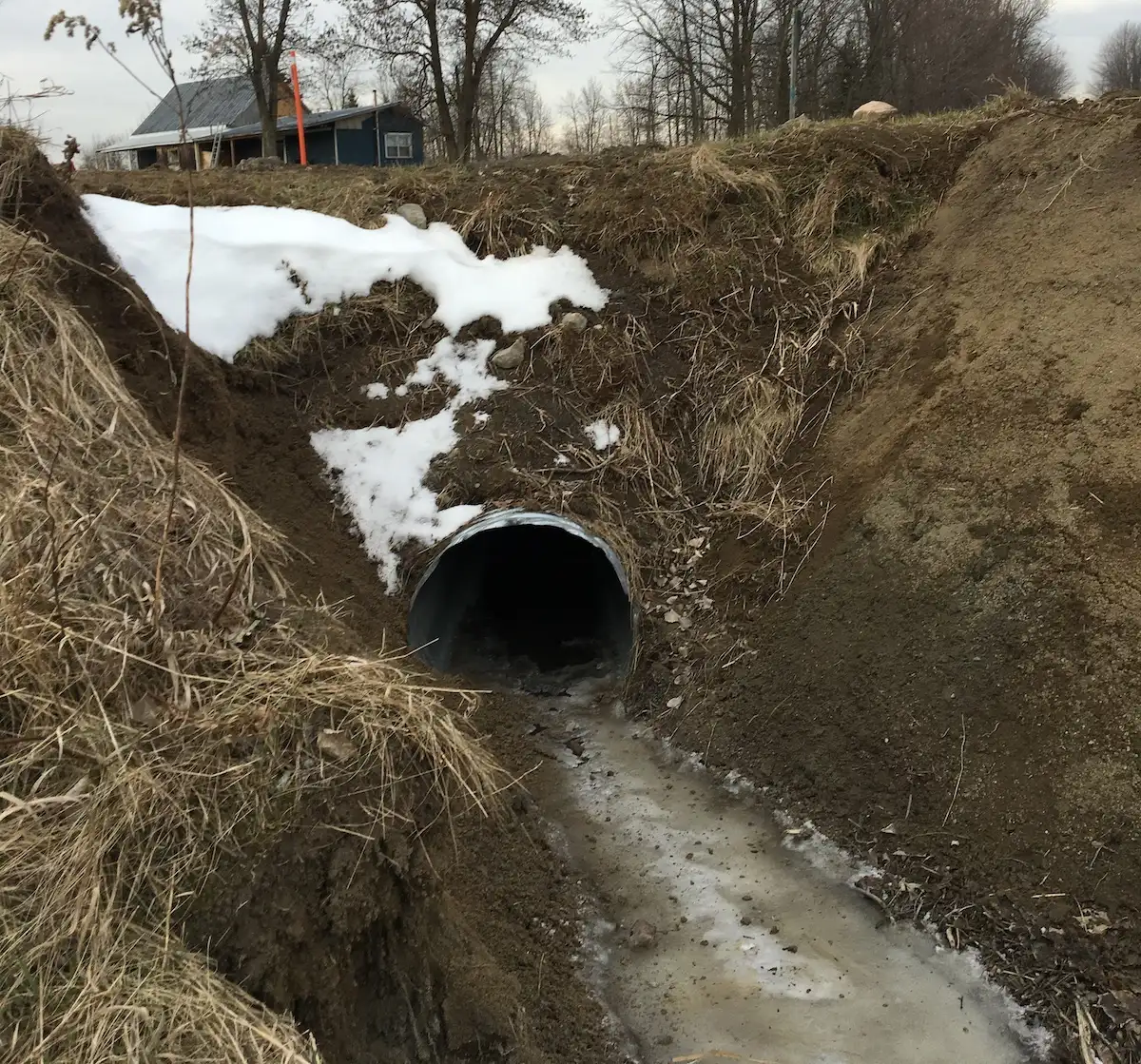
Robinson Consultants Inc. was retained by the City of Ottawa to undertake the preliminary and detailed design for the replacement of eight existing culverts. The renewal structures included CSP and concrete round pipe. The culvert replacements were split into five separate contract packages for staggered delivery and construction. The replacement structures size ranged from 600mm to 3000mm in diameter. Trenchless renewal methods were designed for two of the sites using Cured-in-Place (CIPP), HDPE sliplining, and auger boring. One of the culverts failed during the design phase and required a road closure and emergency replacement operation.
Several activities were completed to support the design, including: hydrologic and hydraulic modelling, assessment of trenchless rehabilitation measures, geotechnical study, natural environment study, and consultation with environmental and federal regulatory agencies. Robinson Consultants Inc. completed the preliminary and detailed design including traffic and construction staging plans, temporary flow control, guiderails, and utility protection measures. Robinson Consultants Inc. also prepared tender documents in accordance with the City of Ottawa standards, attended meetings with utility companies, prepared property requirement plans, and obtained the necessary environmental approvals.
Additional Info
- Client City of Ottawa
- Location Ottawa, Ontario
- Value $2,000,000
- Key
- Hydrology and hydraulics
- Emergency replacement
- Federal approvals
- Trenchless rehabilitation
- Environmental approvals
- Awards
Award of Excellence, Canadian Consulting Engineer, 2016
- ImageOne
- ImageTwo
- ImageThree
Project Description
Robinson Consultants Inc. was retained by the City of Ottawa to undertake the preliminary and detailed design for area traffic management and bioretention measures along Hemmingwood Way. The primary objectives of the assignment were to reduce the existing surface runoff through the implementation of bioretention measures and improve traffic safety along Hemmingwood Way. The proposed work included six bioretention rain gardens, two mid-block narrowings and a median, one intersection narrowing, and a Type C pedestrian crossover (PXO).
Several activities were completed to assess the suitability of the proposed LID measures including: drainage area delineation, hydrologic and hydraulic modelling, stormwater management modelling, geotechnical investigation, field permeability testing, groundwater level investigation, and Phase I and Limited Phase II Environmental Site Assessment, and consultation with environmental regulatory agencies. The field investigations revealed constrained conditions at some locations, including soils with low permeability and high groundwater table. Based on this detailed investigation, Robinson Consultants Inc. provided the City of Ottawa with recommendations for six bioretention cells located within proposed curb extensions. The inlets for the bioretention cells include a combination of curb cut inlets and cast-iron curb inlets. The preliminary and detailed design was completed and included a detailed landscaping and planting plan. Robinson Consultants Inc. prepared tender documents in accordance with the City of Ottawa standards and obtained the necessary environmental approvals.
Additional Info
- Client City of Ottawa
- Location Ottawa, Ontario
- Value $1,640,000
- Key
- Stormwater management
- Low Impact Development (LID)
- Bioretention
- Hydrologic and hydraulic modelling
- Traffic calming features
- Environmental approvals
Project Description
Robinson Consultants Inc. was retained by Kingston Utilities to assist in the planning, design, tendering, contact administration, and site inspection of the Ravensview Trunk Sewer (RTS) and North End Outlet (NEO) sanitary sewer rehabilitation project. The RTS/NEO rehabilitation project consisted of several phases completed over a 5-year period. The RTS and NEO are two major trunk sewers situated within the City of Kingston ranging in diameters sizes of 750mm to 1350mm with total combined length of 6km. The NEO runs predominately off road through wood areas and parks, and the RTS runs through wood areas in close proximity to Lake Ontario, behind some large private properties and through the Canadian Forces Base (CFB) Kingston and out letting to the Ravensview Wastewater Treatment Plant (WWTP).
The RTS and NEO were identified as having moderate to severe H2S corrosion deterioration throughout their lengths, including exposed rebar. Project activities included sewer condition assessment, trenchless rehabilitation methodology recommendations, establishing priorities areas for rehabilitation, physical condition investigations (core sampling, H2S corrosion assessment), geotechnical investigations, failure risk analysis, emergency responses plan, flow by-pass planning for 2350 L/s flows (RTS) & 770 L/s, preparing cost estimates and schedules, significant stakeholder meetings including Department of National Defense, preparing technical specifications, bid forms and price schedule, development of contractor RFP (including evaluation criteria), evaluation of RFP responses, technical QA/QC review of CIPP liner sampling and training seminars.
Condition assessment included recommendation on priority work for phasing of the rehabilitation work over 5 years to maximize the available capital funding per calendar year while mitigating risk. A key consideration in design and specification included flow control/bypass requirements made challenging by high flow rate forcemains incoming directly into the sewer at the rehabilitation.
RTS required a 2350 l/s fully operational flow by-pass system to be set-up and in operation for duration of project. This was accomplished through the innovative design and construction of a temporary wet well to capture and by-pass pump the flows.
Potential rehabilitation methods were analyzed resulting in selecting CIPP lining due to availability of several contractors to perform the work along with the installation method being best suited to the pipe and site conditions along with capacity requirements.
Contract administration and inspection services for the CIPP lining of this major trunk sanitary sewer included major bypass pumping, emergency preparedness, and coordination with multiple landowners including CFB Kingston.
This critical piece of Kingston infrastructure was built in the 1950s and conveys 60%-70% of Kingston sewer flow including downtown and east end. The project limits started at Hwy 2 and Hwy 15 and ran through CFB Kingston, Cartwright Point, and La Salle Blvd and outlets at the Ravensview Treatment Plant.
The 3.4km of 1200mm and 1350mm pipe was rehabilitated. The main key to success with a project as complicated and involved as this was a team-based approach involving all stakeholders, which resulted in an effective approach to maintaining construction schedule and pre-empting issues that would cause delays and conflicts.
Additional Info
- Client Utilities Kingston
- Location Kingston, Ontario
- Value $10,000,000
- Key
- 825 mm to 1200mm CIPP linear rehabilitation, maintenance hole rehabilitation
- 770 l/sec By-pass, 3900 km2 watershed
- Temporary access roads
- Coordination with the Department of National Defense
- Heritage river and historical structures
Project Description
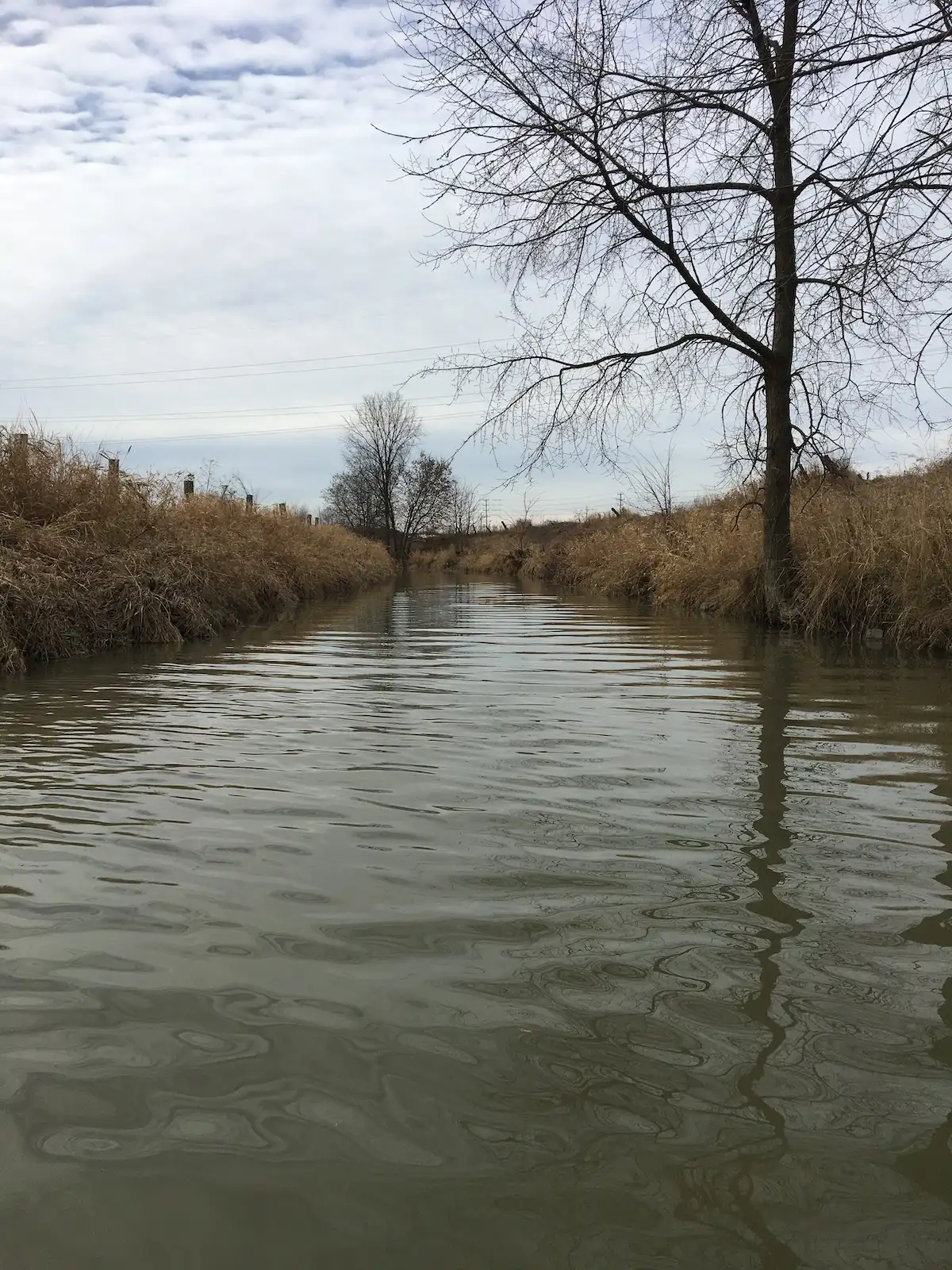
The original Mill Creek Municipal Drain was constructed in 1956. At that time, the drain terminated at Hwy. 17 and flowed a further 2km through a natural watercourse to its outlet at the Ottawa River. Subsequent years saw significant increases in agricultural activity including clearing of previously forested lands, increased tile drainage, urban development, and the addition of contributing drains.
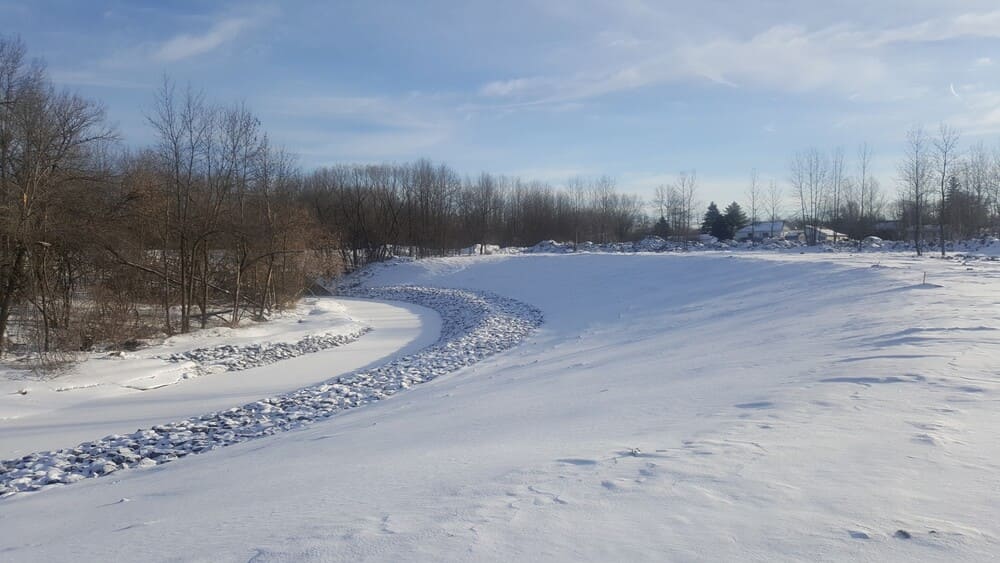
Increased pressures from upstream drainage in conjunction with poor underlying soil conditions resulted in a significant slope failure on the natural water course section within the village of L’Orignal.
The Township of Champlain tasked Robinson Consultants Inc. with addressing the slope failure as Emergency Work under Section 124 of the Ontario Drainage Act, R.S.O. 1990, and ultimately with full modification and improvement of the Mill Creek Municipal Drain under Section 78 of the Act to incorporate the emergency work and make necessary adjustments for the remainder of the drain. Robinson Consultants Inc. successfully petitioned the Ontario Ministry of Agriculture Food and Rural Affairs for permission to complete the Emergency Work.
Design for the failure area included geotechnical review of the slope failure and adjacent area, drone level LiDAR survey of the failure (conditions were not stable for a standard survey to be completed) and the implementation of specialized geotechnical design incorporating a ballast feature with slope flattening and standard rock protection.
Following the completion of the emergency work, Robinson Consultants Inc. was tasked with preparing an Engineer’s Report for improvement and modification for the full extent of the drain, including incorporating the emergency work. Ensuring sufficient outlet included incorporating as a municipal drain the remainder of the natural watercourse to the outlet at the Ottawa River. Improvements included permanent sediment and erosion control with some deepening and widening of locations restricting flow. Special consideration was required to address the concerns of environmental agencies including the Department of Fisheries and Oceans, Ministry of Natural Resources (acting as the Conservation Authority for this area as it is outside of the jurisdiction of a Conservation Authority), and the Ministry of Environment Conservation and Parks for the protection of Endangered Species.
Additional Info
- Client Township of Champlain
- Location Township of Champlain, Ontario
- Value $2,270,000
- Key
- Emergency work addressing slope failure under Section 124 of the Ontario Drainage Act, R.S.O. 1990.
- Full modification and improvement of the Mill Creek Municipal Drain under Section 78 of the Act.
- Successful petition of the Ontario Ministry of Agriculture Food and Rural Affairs
- Permanent sediment and erosion control with some deepening and widening of locations restricting flow.
- ImageOne
- ImageTwo
- ImageThree
Project Description
Robinson Land Development (RLD) were retained to provide a servicing, grading, and stormwater management (SWM) design for a proposed three building campus located at 383/ 385 Terry Fox Drive in the City of Ottawa, Ontario. The industrial zoned site included one existing building and two new 5-storey buildings with associated parking.
The project also included road modifications (RMA) for the extension of the existing Hines Road to provide an additional access to the campus.
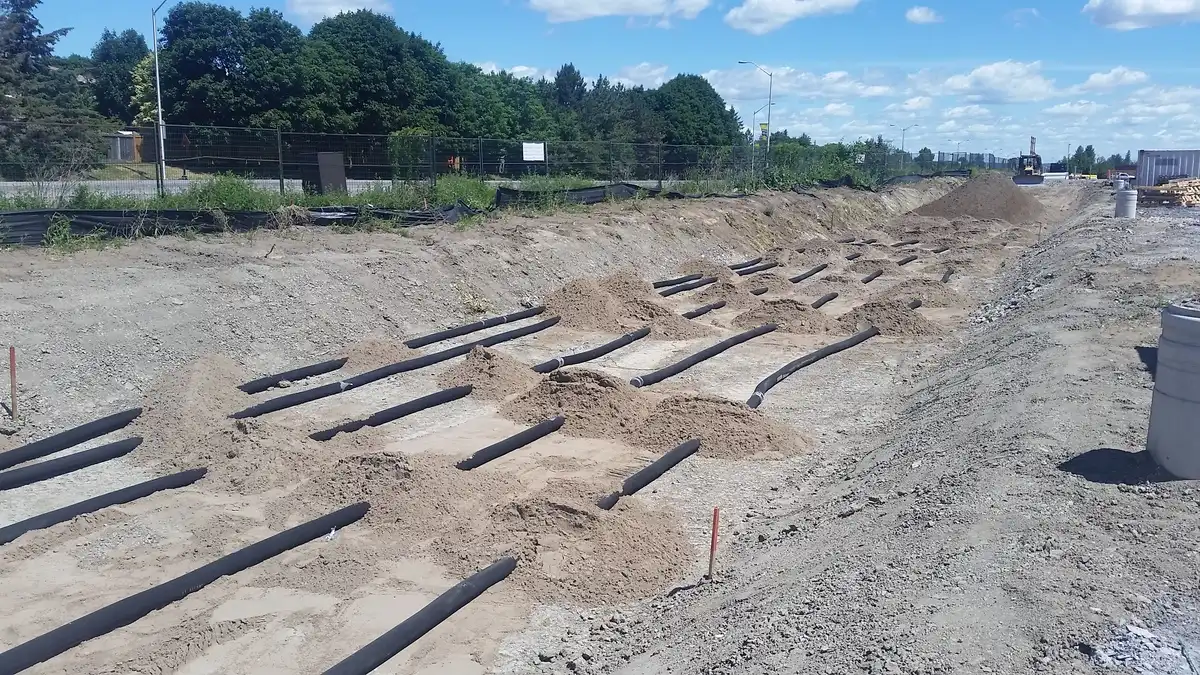
The portion of the site to be developed was 7.44 hectares in area and was bounded by existing developments on all four sides. Due to the high imperviousness of the site, four on-site SWM facilities were constructed to meet the quantity and quality storage requirements. The facilities were designed to provide level two protection by the use of river stone, granular, and sand layers to filter the runoff. Inlet control devices (ICD) were utilized in the outlets of each facility to control the rate of the stormwater outflow from the site.
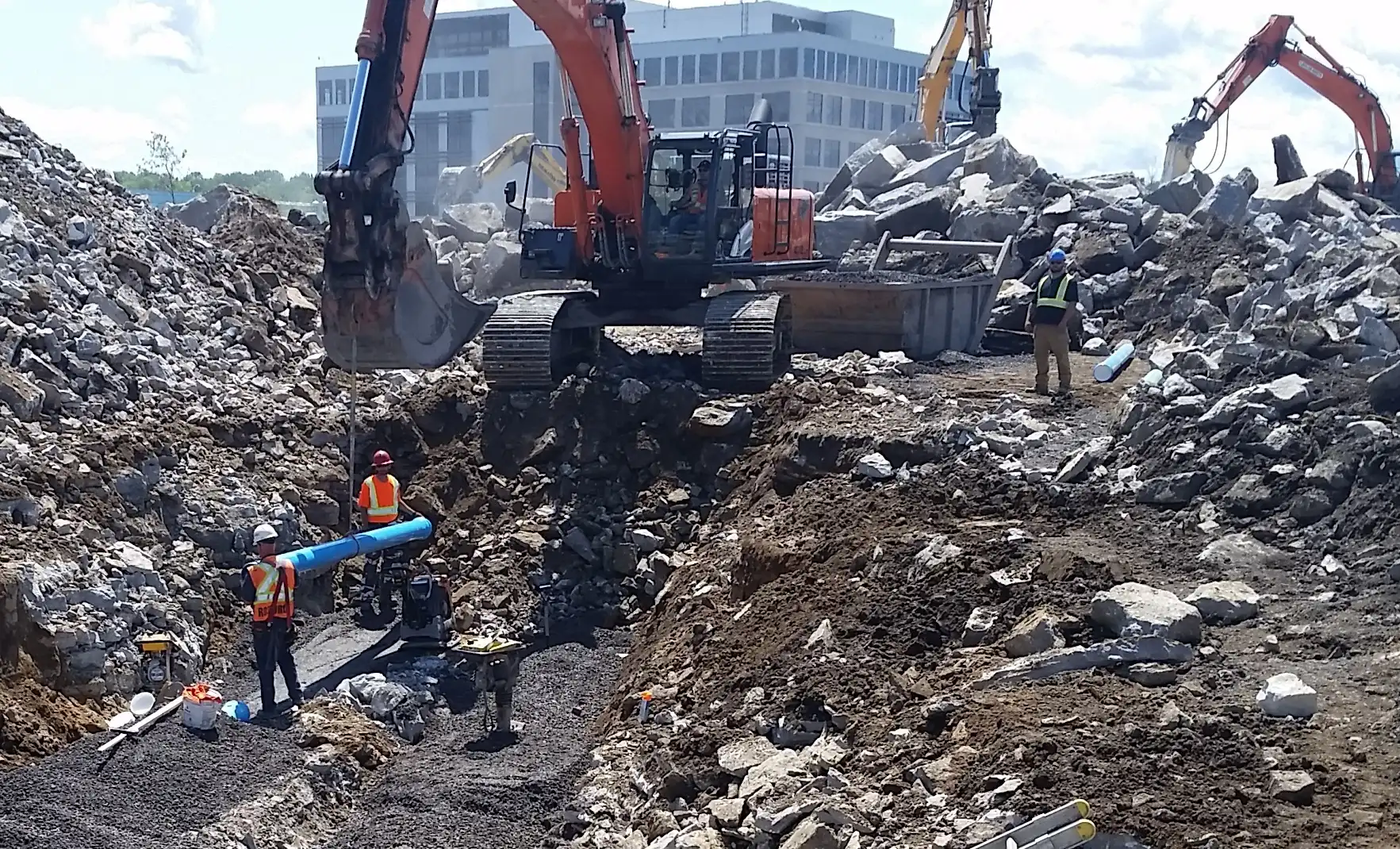
The site grading involved the detailed grading design of over 35,000 square metres of asphalt area which was accomplished via minimal underground infrastructure. Specifically, the majority of the site was designed to sheet flow to the on-site SWM facilities.
The proposed buildings were serviced with water and sanitary via connections to the existing infrastructure within Hines Road. The buildings were also provided with storm services via a connection to the existing storm sewer located on the adjacent 5050 Innovation site.
RLD was also engaged to seek approvals for Environmental Compliance Applications (ECA) which required extensive facilitation with the MOECC, City and neighbouring property (which contained an existing SWM facility previously designed to control and treat drainage from a portion of the site). Due to the complexity of the project, four ECA applications were required to be submitted to the MOECC for the site.
Additional Info
- Client Ciena
- Location Ottawa, Ontario
- Value --
- Key
- Servicing, grading, and stormwater management design
- Hines Road RMA
- Four ECA Applications
- Four on-site SWM facilities
- 44 hectare site
- ImageOne
- ImageTwo
- ImageThree